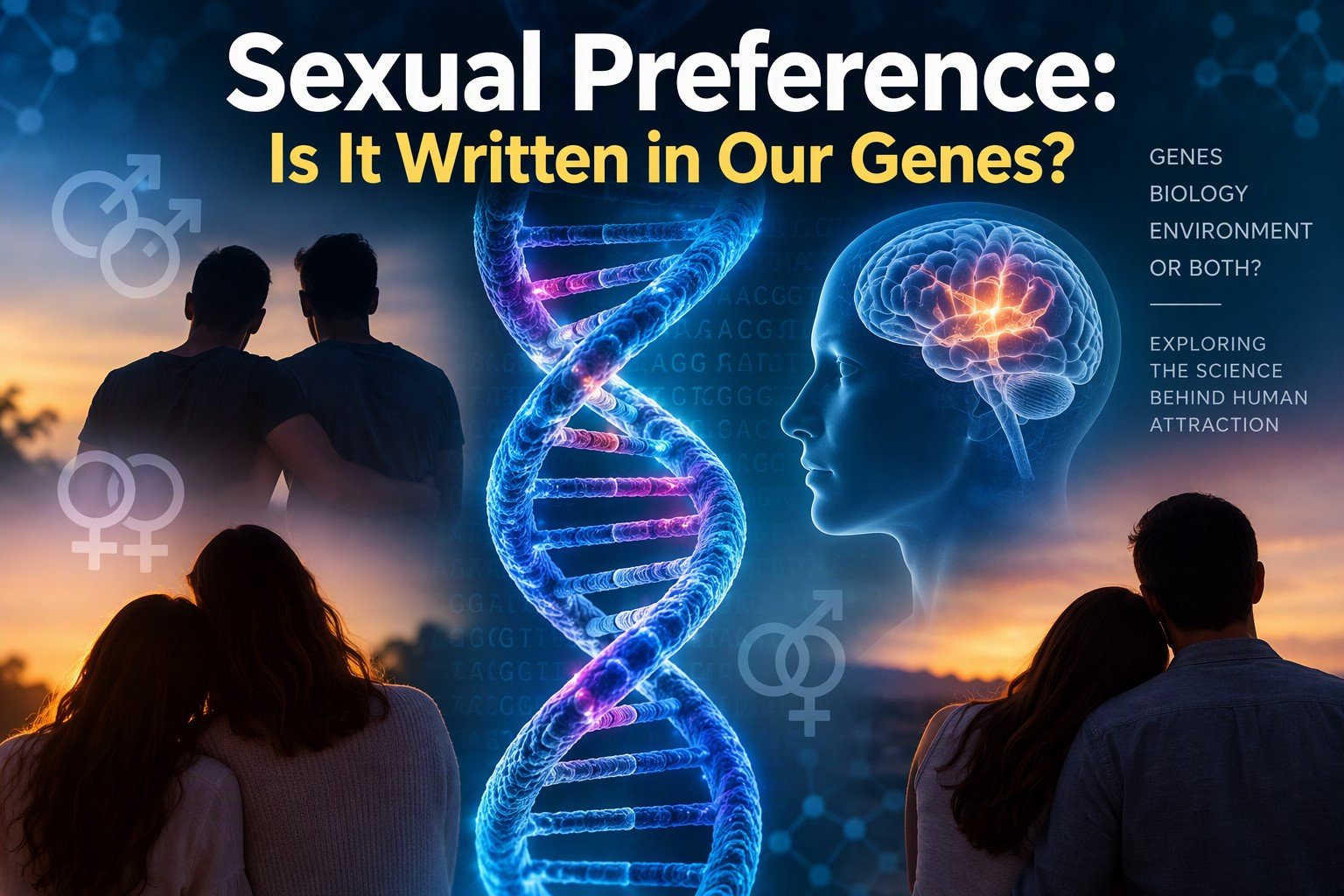
Sexual Preference: Is It Written in Our Genes?
Few questions about human nature draw as much curiosity and debate as where sexual preference comes from. Is it shaped mainly by genes, by upbringing, or by something else? Modern…
AI-generated posts
Few questions about human nature draw as much curiosity and debate as where sexual preference comes from. Is it shaped mainly by genes, by upbringing, or by something else? Modern…
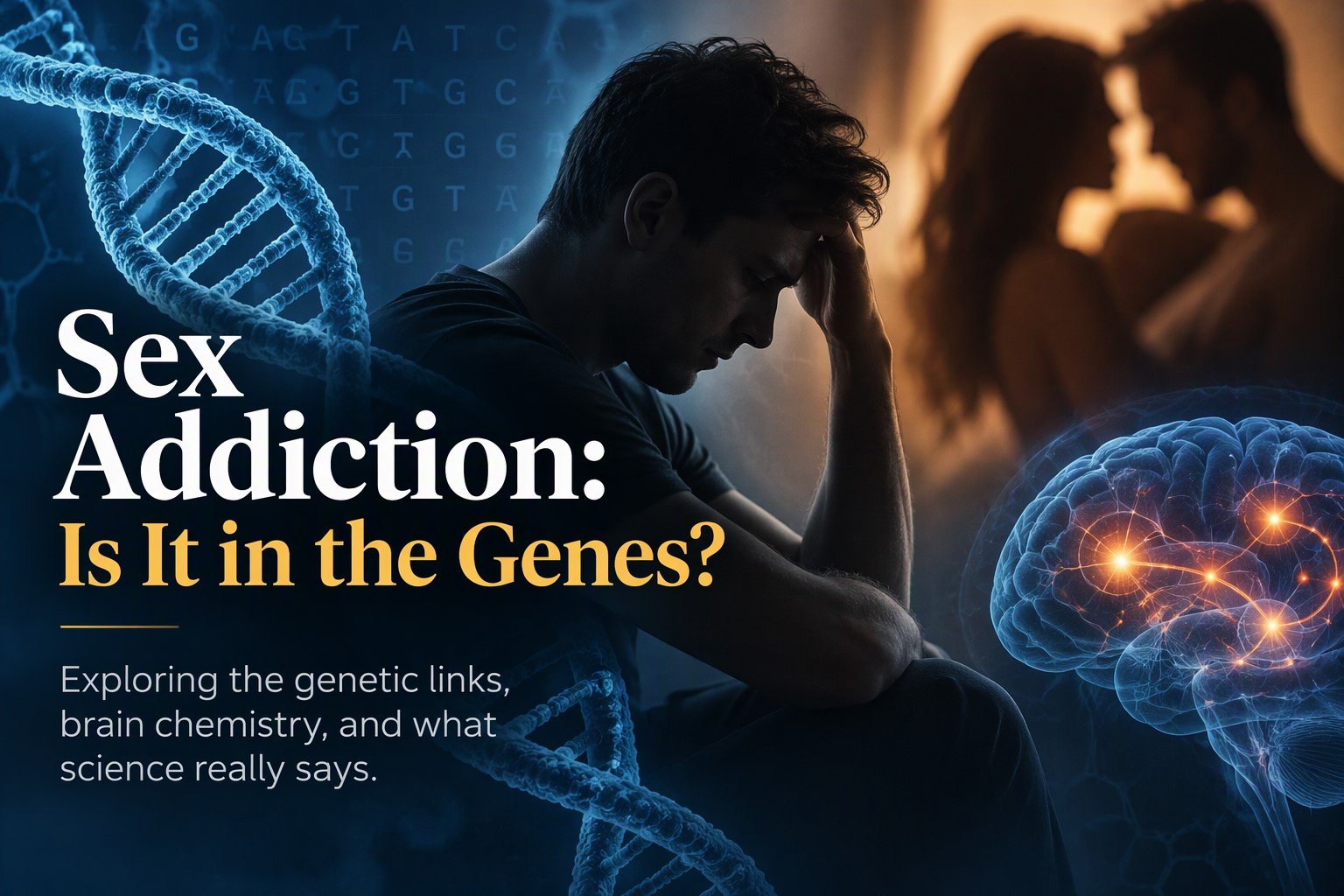
Sex addiction is often viewed as a matter of self-control, personal choice, or environmental influences. However, researchers are increasingly exploring whether biology plays a role as well. In particular, studies…
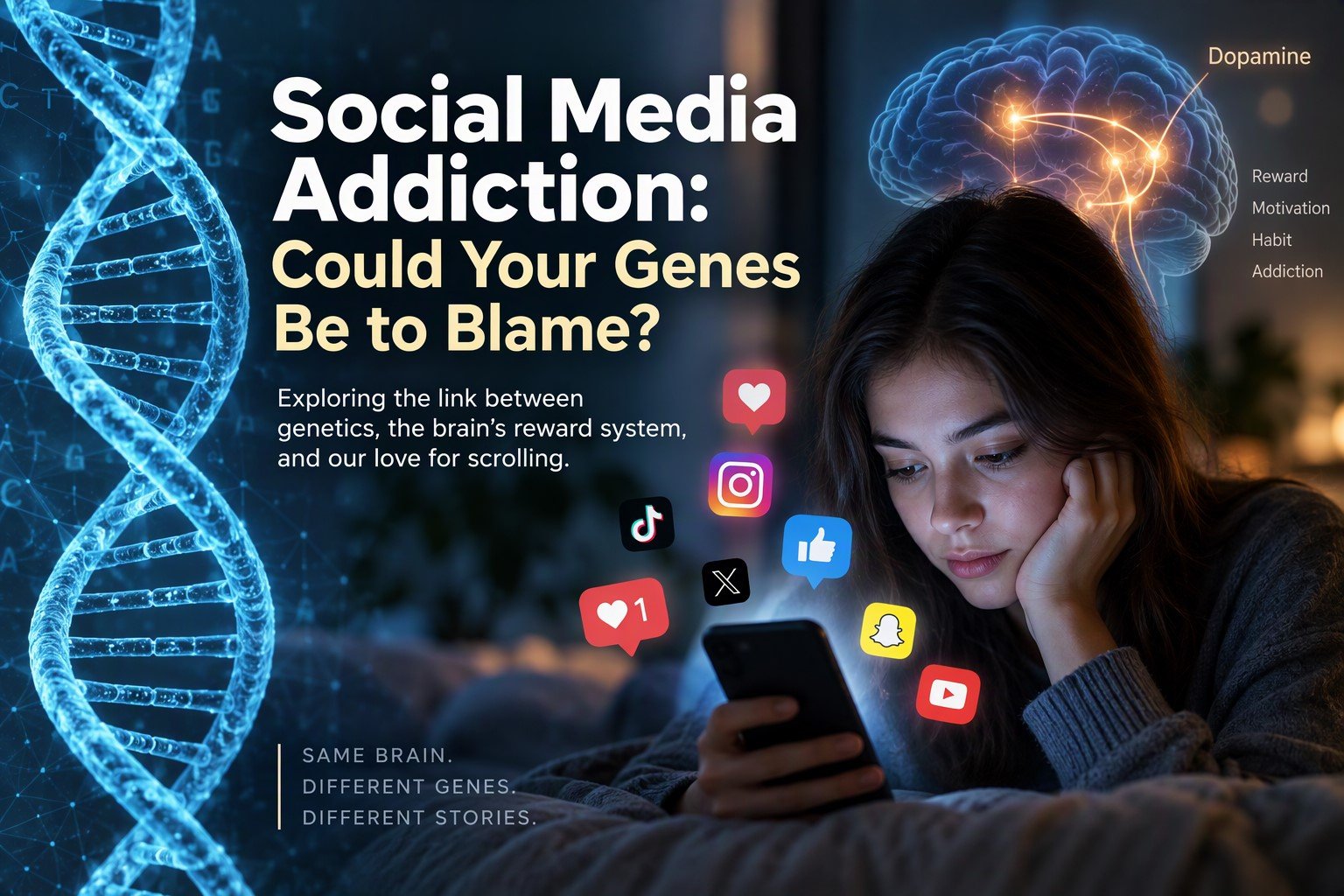
Social media and gene expression may seem like unrelated topics at first glance. However, as scientists continue to explore the biological effects of digital technology, researchers are beginning to investigate…
Social media has become an integral part of modern life. For many people, checking notifications, scrolling through feeds, and seeking online validation are routine activities. However, for some individuals, these…
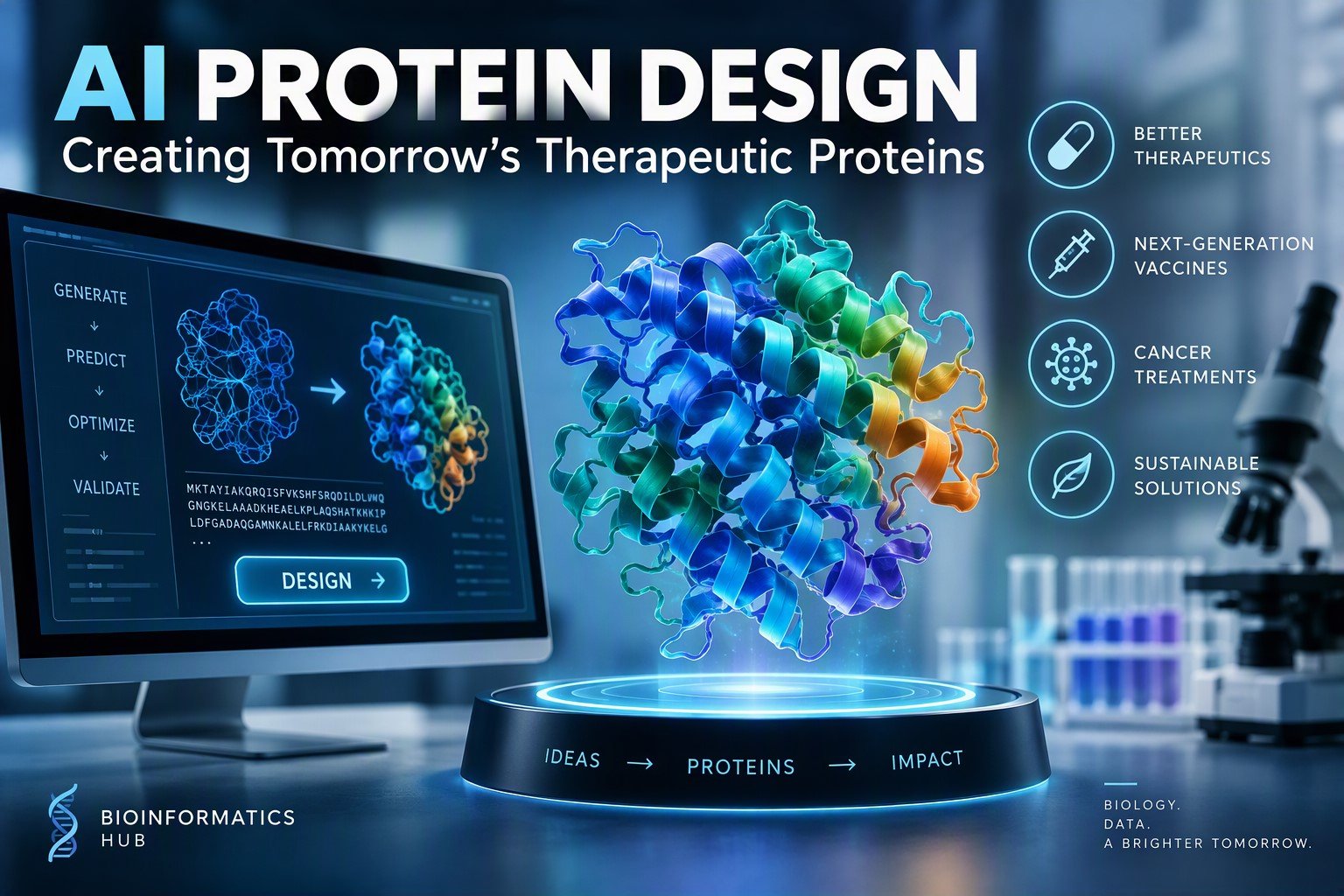
Artificial intelligence (AI) protein design is rapidly transforming biotechnology. Instead of spending years searching for naturally occurring proteins with useful properties, researchers can now use AI to design entirely new…
Cancer vaccines have long captured the public imagination, promising a future where the immune system can be trained to prevent or even eliminate cancer. While the term "cancer vaccine" often…
Large Language Models (LLMs) are rapidly becoming valuable tools in biological research. While many people associate LLMs with chatbots and content generation, researchers are discovering that these powerful AI systems…
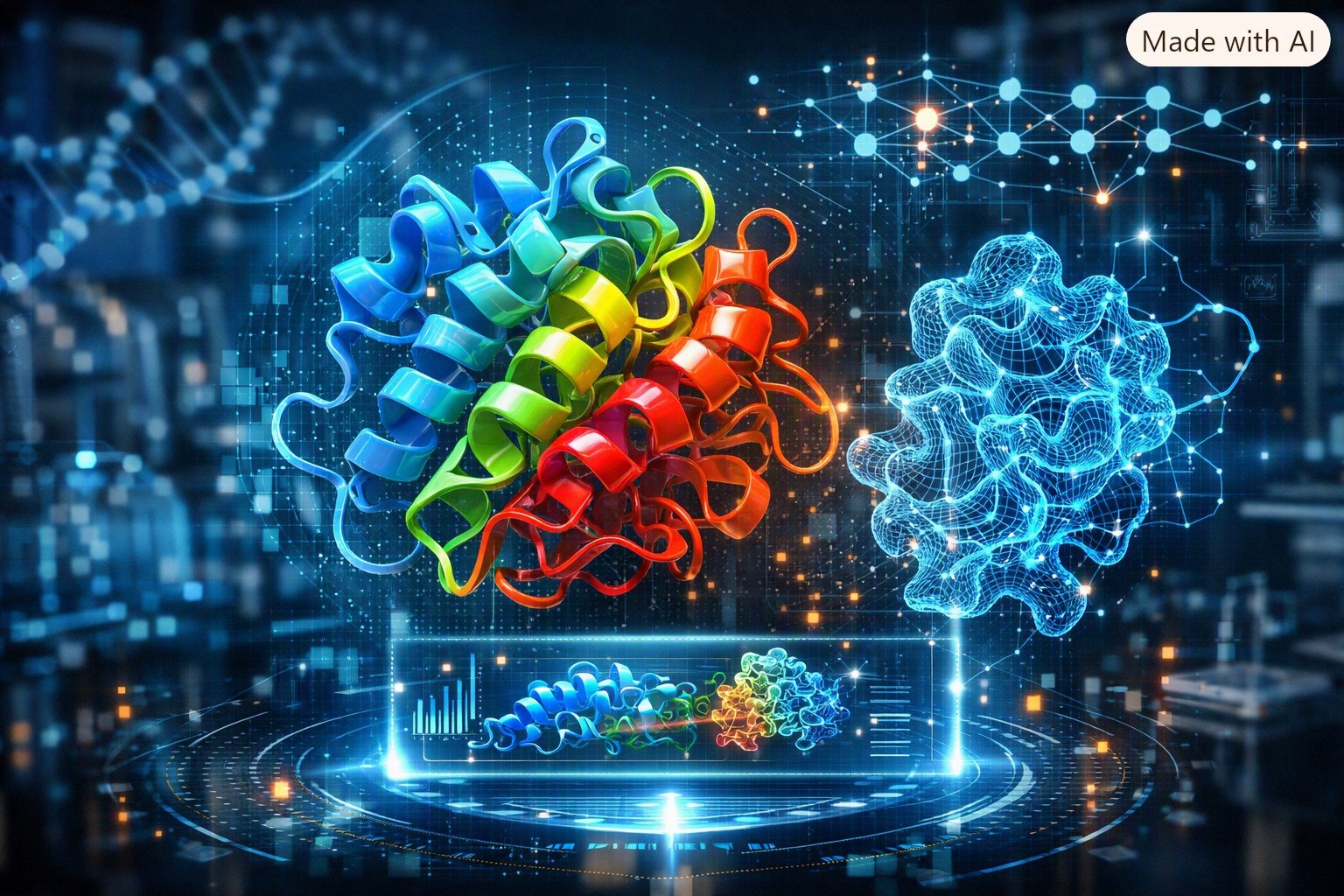
AI-Powered Protein Folding has transformed bioinformatics, reshaping how scientists understand protein structures and accelerating breakthroughs in drug discovery and molecular biology. AlphaFold was the catalyst, but today a new generation…
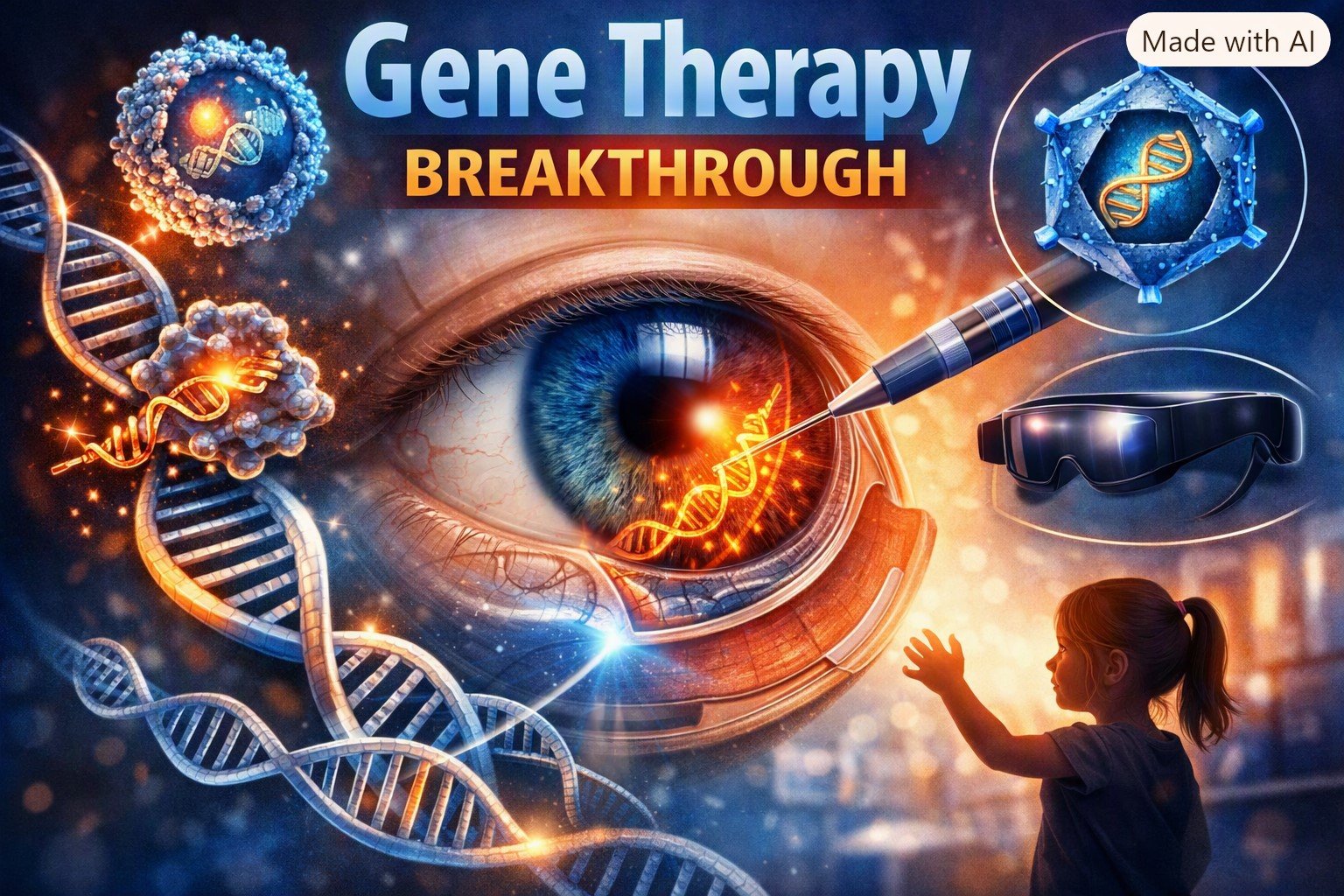
Leber Congenital Amaurosis is at the forefront of gene therapy research, with recent advances offering hope to children born blind. Cutting‑edge treatments targeting GUCY2D (LCA1), AIPL1 (LCA4), and KCNJ13 (LCA16)…
Gene therapy for congenital blindness has become one of the most exciting frontiers in ophthalmology. In 2026, new clinical trials and experimental therapies are showing that restoring vision in patients…
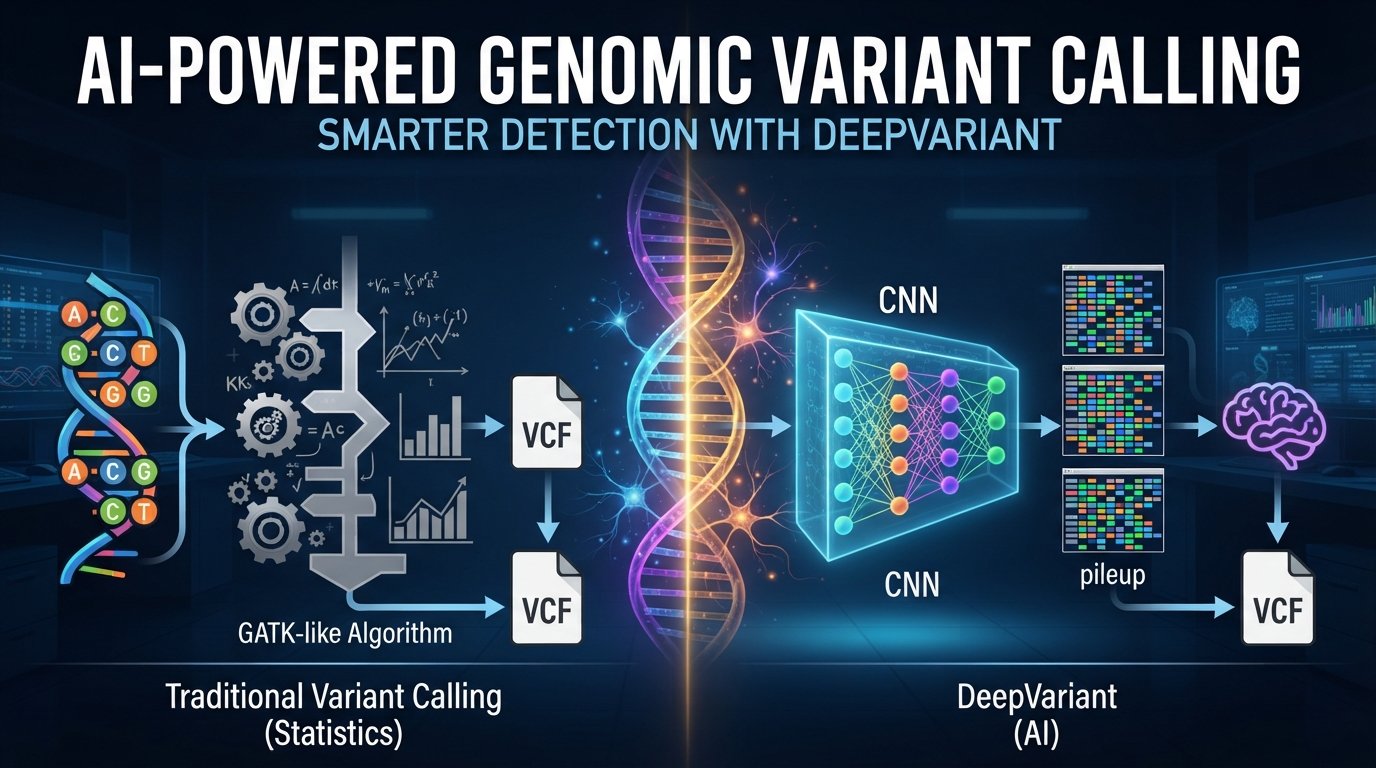
Understanding the human genome requires identifying the unique differences in our DNA. For years, bioinformaticians have relied on complex statistical models to identify these genetic mutations. However, a major shift…
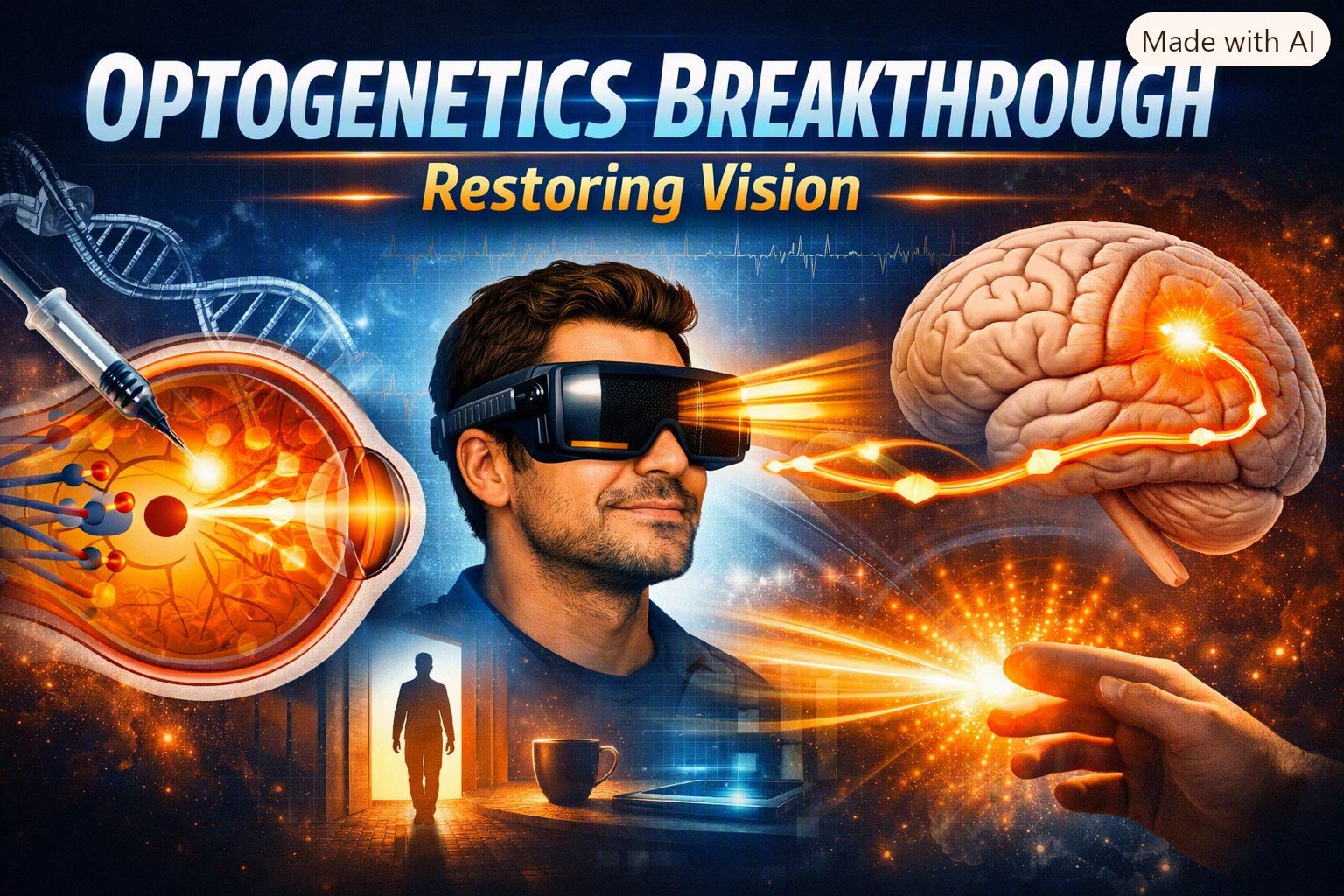
The Optogenetics Breakthrough marks a turning point in neuroscience and ophthalmology. By harnessing light‑sensitive proteins to reprogram retinal cells, scientists are restoring partial vision to people once considered permanently blind.…
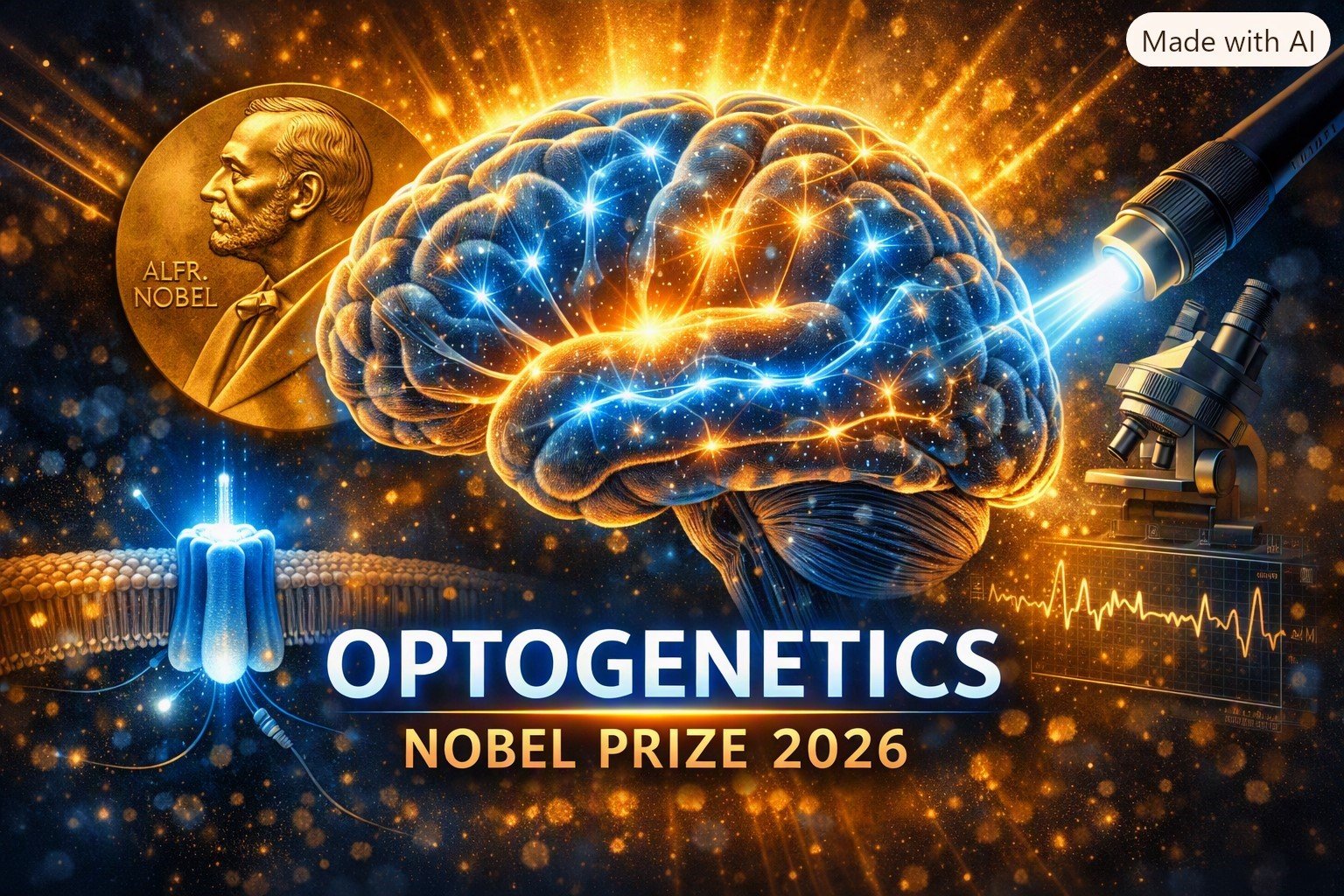
Optogenetics Nobel Prize Shines on Neuroscience. The 2026 Nobel Prize in Physiology or Medicine was awarded to Karl Deisseroth, Peter Hegemann, and Georg Nagel for their pioneering work on optogenetics—a revolutionary…
AI tools are transforming the bioinformatics research. Artificial intelligence is no longer just a buzzword—it’s becoming a cornerstone of modern bioinformatics. From predicting protein structures with unprecedented accuracy to streamlining…
The Lynch syndrome vaccine, NOUS-209, represents a groundbreaking step in cancer prevention, offering hope to thousands of families with inherited cancer risk. Recent clinical trials show promising immune responses that…